What I Would Change
Why “I wouldn’t change a thing” is a lie.
We’ve all heard it: “I wouldn’t change a thing.” It’s the go-to answer whenever someone is interviewed, or reflects on their career or life choices. That answer is easy, neat, and tidy—and entirely untrue.
Because let’s be honest, of course we’d change things. Maybe not the results, but definitely the ways we got there. And that’s not regret talking, that’s leadership and growth.
When I was 23 years old, and fresh out of college, I landed my first big leadership role as a local TV news executive producer. My evening news anchors had been on-air longer than I’d been alive, and my reporters were young, ambitious, and sometimes a little too eager for their own good.
I was leading before I fully knew how, and figuring it out on live television to boot!
Join an incredible conversation.
Why do we choose to follow some people... and not others?
Build simple strategies to take your leadership and culture to the next level.
Every day was a sprint of breaking news and high stakes editorial decisions that impacted real people. It was thrilling, exhausting, and way too much responsibility for someone who still needed a mentor more than a title.
At that age, I thought leadership meant being confident, decisive, and never showing doubt. I was wrong.
What I didn’t realize then was that leadership has a lot less to do with being the loudest or most confident voice in the room, and a lot more to do with listening, learning, and letting others be seen and heard.
Fast-forward through a crazy career path, to just a few weeks ago. I was speaking to a group of emerging leaders in aging services. They were a group of smart, enthusiastic, and motivated professionals. The conversation sounded familiar and had all the buzz words such as servant leadership, empathy, and vulnerability.
I’m not saying these aren’t important concepts, but I couldn’t help smiling. Because those words take on a whole new meaning once you’ve lived through the messy reality of leading an organization, and what people don’t see—the long sleepless nights, the public mistakes (in my case, sometimes on live television), and the lessons learned only after falling flat on your face.
So, here’s what I’ve come to believe. The best leaders are the ones who’ve earned their scars in full view, and who aren’t afraid to admit where they went wrong. We grow when we recognize that change isn’t a flaw in our story, it’s the point of our story.
So, no, I won’t say “I wouldn’t change a thing” the next time I’m asked that question. I can think of so many things I’d change.
But I’m grateful for every stumble, every crisis, and every awkward conversation that taught me something real about leading people. Because real leadership isn’t about perfection.
It’s about showing up, growing up, owning how you got here and being ready to do a few things differently the next time around.
~ Nicole Pretre, MS, CPG
President & CEO, Cedar Community
What does this mean for you?
- How do we build a culture that learns from mistakes rather than hiding them?
- Does leadership mean never showing doubt?
- What is one big lesson learned you'd share with a group of emerging leaders?
Key Takeaway: Real leadership isn't about perfection. It’s about showing up, growing up, and owning how you got here.
Share your thoughts
What did Nicole's story help you realize about your own leadership journey?
Join our unique
"Who are you BECOMING?"
Challenge!
Are you ready for a game-changer? Are you sure?
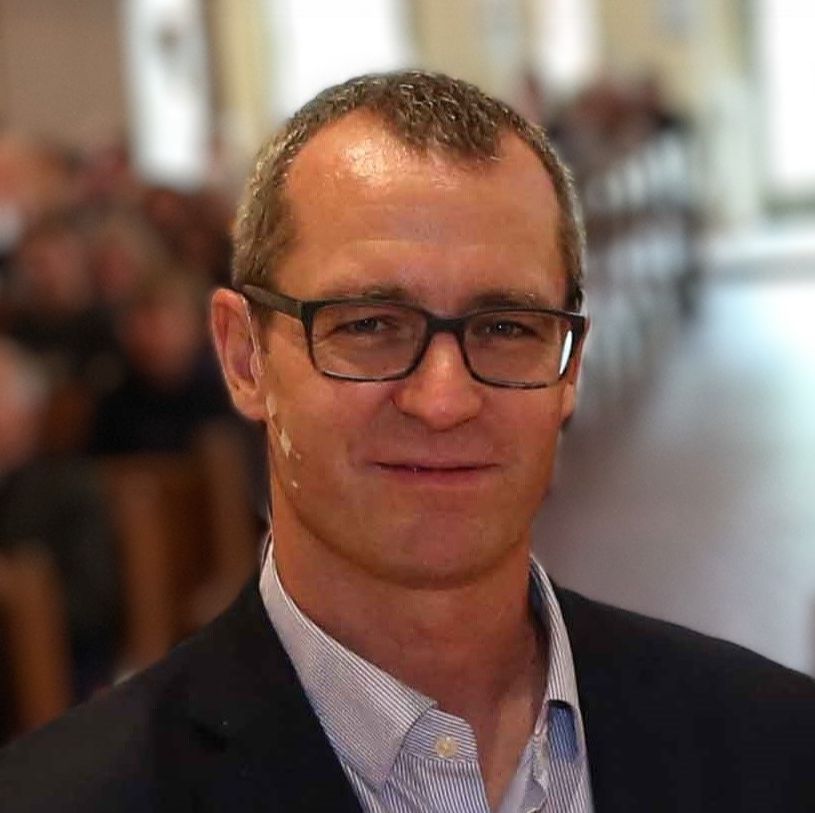
Jonathan Fanning
Leadership Expert, Speaker & Author
Creator of the Servant Leader Project. After interviewing hundreds of successful leaders to discover why people choose to follow some and not others, Jonathan is compiling this groundbreaking research into a forthcoming book.
Book Jonathan to Speak